Crafting Authentic Chile Colorado: Key Chiles & Flavor Secrets
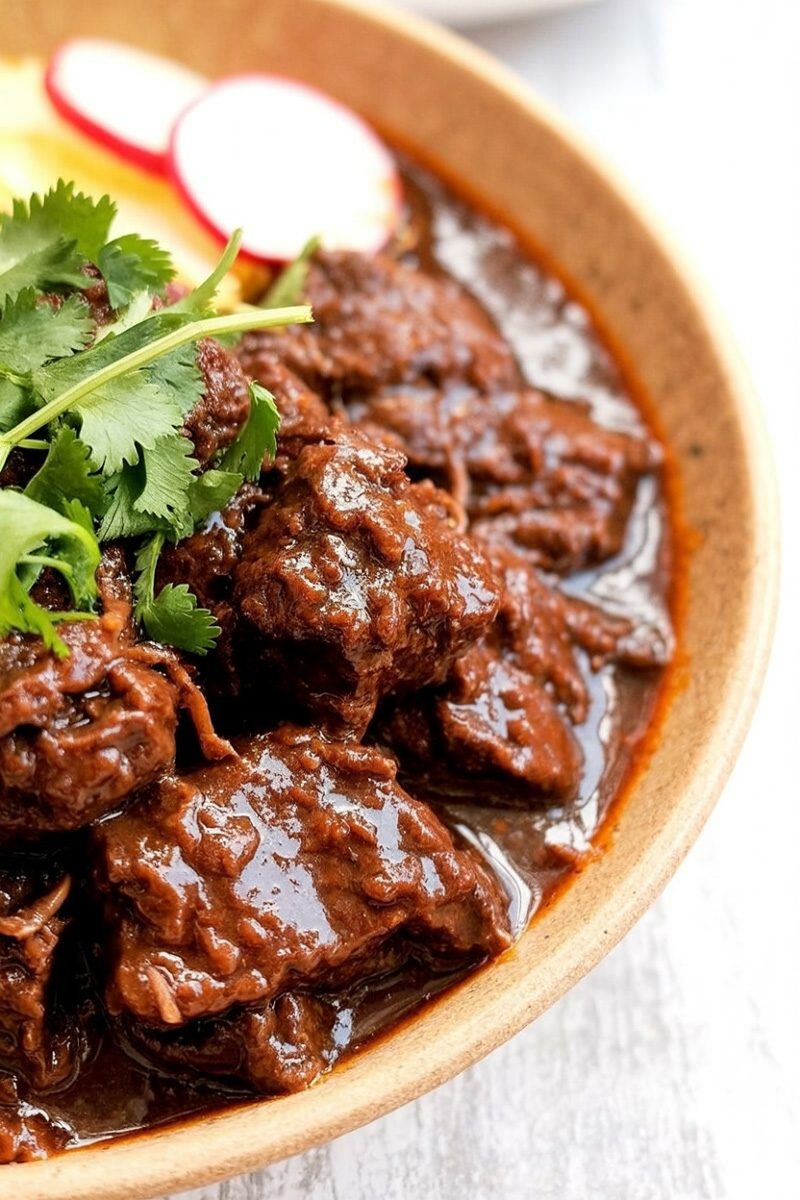
Chile Colorado is more than just a dish; it's a culinary embrace, a vibrant red stew that has warmed hearts and homes across northern Mexico and the southwestern United States for generations. This hearty preparation, typically featuring tender pieces of meat (often beef or pork) bathed in a rich, deeply flavored chile sauce, stands as a testament to the power of a few simple, yet profoundly impactful, ingredients. Its name, literally meaning "red chili," is a direct homage to its stunning, appetite-invoking hue, which is the first hint at the depth of flavor awaiting those who partake. Far from being associated with the U.S. state, the "colorado" here celebrates the dish's visual splendor and the essential ingredient that defines it: the red chile.
This beloved stew has cultivated a loyal following, cherished for its comforting warmth and the intricate dance of smoky, earthy, and sometimes spicy notes that characterize its signature sauce. To truly master an authentic Chile Colorado, one must embark on a journey into the heart of Mexican cuisine – the world of dried chiles.
The Soul of the Stew: Mastering the Chile Sauce
The chile sauce is not merely an accompaniment; it is the very essence of Chile Colorado, dictating its character, depth, and overall appeal. This vibrant elixir is where the magic happens, transforming simple ingredients into a complex symphony of flavors. Achieving its signature velvety texture and balanced taste requires a thoughtful approach to chile preparation, beginning with selection and extending through a meticulous process of toasting, rehydrating, and blending. If you're eager to delve deeper into the origins and meaning behind this iconic dish, you can explore
Chile Colorado: Unraveling Mexico's Iconic Red Chile Stew.
The Art of Chile Preparation
The journey to an exceptional chile sauce begins with *lightly toasting* the dried chiles. This crucial step isn't just for show; it's a technique passed down through generations, designed to awaken the dormant natural oils within the chiles. As they warm, their inherent aromas intensify, and their flavors deepen, transforming from flat and leathery to complex and fragrant. Care must be taken to toast them just until fragrant, avoiding burning, which can lead to a bitter taste.
Once toasted, the chiles are typically rehydrated in hot water, allowing them to soften and plump up, making them ready for blending. They are then combined with a savory liquid, most often chicken broth, which acts as a foundational flavor enhancer. A carefully selected array of spices – perhaps garlic, cumin, oregano, and a touch of cloves – is added to complement and elevate the chiles' natural profiles, creating a sauce that is both robust and harmonious. The result is a sauce that boasts a perfect equilibrium of flavors: a subtle smokiness from the toasted chiles, an earthy depth, and a calibrated level of heat that can be adjusted based on your preference and the specific chiles chosen. For a more comprehensive understanding of this pivotal component, consider reading
The True Meaning of Chile Colorado: A Deep Dive into Its Red Sauce.
Mexico’s Diverse Chiles: Your Culinary Palette
To truly understand and customize your Chile Colorado, familiarizing yourself with Mexico's vast array of dried chiles is indispensable. With over 60 distinct varieties, each chile offers a unique contribution to the flavor profile of any dish. By knowing their individual characteristics, you gain immense creative freedom in your kitchen.
*
Guajillo Chiles: The Versatile Backbone
These slender, deep reddish-brown chiles are a cornerstone of Mexican gastronomy, consistently ranking among the most important peppers. Guajillos offer a moderate heat, making them approachable for most palates, and a distinctive, subtly sweet, almost fruity flavor with hints of green tea and berry. Their versatility is legendary, providing a rich, savory base without overpowering other ingredients, making them ideal for the main body of your Chile Colorado sauce.
*
Ancho Chiles: The Earthy Sweetheart
The Ancho chile is the dried form of the poblano pepper and is characterized by its broad, flat, dark wrinkled appearance. Its flavor profile is a delightful blend of subtle sweetness, often described as reminiscent of dried fruit like raisins or prunes, with a mild hint of chocolate or coffee, and a touch of tomato-like acidity. With a very mild heat level, Anchos contribute significant depth and a robust, earthy smokiness, adding body and complexity to the red chile sauce without adding excessive spice.
Expanding Your Chile Repertoire for Chile Colorado
While Guajillos and Anchos form the classic foundation, incorporating other chiles allows for personalized variations in heat and flavor.
*
Puya Chiles: The Guajillo's Spicy Cousin
Meaning "steel point," Puya chiles bear a close resemblance to Guajillos in their flavor notes, sharing that fruity, slightly sweet quality. However, they significantly dial up the heat, offering a more intense punch. If you love the Guajillo flavor but crave more warmth in your Chile Colorado, Puyas are an excellent choice to mix in, providing heat without dramatically altering the core taste.
*
Chiles de Árbol: The Fiery Kick
These small, slim, bright red peppers are potent powerhouses, often compared to a petite Mexican version of cayenne pepper. Chiles de Árbol deliver a clear, sharp, and direct heat that awakens the palate. Use them judiciously and in small amounts; just a few can significantly elevate the spiciness of your stew, providing a lively zing for those who prefer a bolder heat.
*
New Mexico Chiles (Hatch Chiles): Regional Depth
Commonly found in the American Southwest, New Mexico chiles (especially from the Hatch Valley) are celebrated for their smoky, slightly sweet, and earthy flavor with a mild to medium heat. They provide a comforting warmth and complexity, making them a superb option to pair with Guajillos and Anchos, deepening the overall flavor profile of your Chile Colorado.
*
Pasilla Chiles: The Dark, Smoky Intrigue
Named for their dark, wrinkled appearance ("pasilla" means "little raisin"), these chiles offer a deep, rich, smoky flavor with notes of dried fruit, licorice, and cocoa. They contribute a profound earthiness and a sophisticated darkness to sauces, often used in moles, and can add an intriguing layer of complexity and a darker hue to your Chile Colorado. Their heat is generally mild to moderate.
Crafting Your Perfect Chile Colorado: Tips for Success
Beyond the chiles, the success of your Chile Colorado lies in a few key culinary practices:
*
Choose Your Meat Wisely: Both pork and beef are excellent choices. For beef, opt for cuts like chuck roast or boneless short ribs, which become incredibly tender after slow simmering. For pork, a shoulder or butt cut works beautifully. Always sear your meat thoroughly before adding the sauce; this creates a flavorful crust through the Maillard reaction, locking in juices and adding another layer of depth to the stew.
*
Achieve Sauce Consistency: After blending your chiles and spices, straining the sauce through a fine-mesh sieve is a crucial step. This removes any lingering bits of skin or seeds, resulting in a wonderfully smooth, velvety sauce that is a hallmark of authentic Chile Colorado. Don't skip it!
*
Simmer for Tenderness: Once the meat and sauce are combined, the stew needs time. A low, slow simmer – typically for 2-3 hours, or until the meat is fork-tender – allows the flavors to meld beautifully and the meat to achieve that melt-in-your-mouth texture. This is not a dish to rush.
*
Balance is Key: Taste your sauce as it simmers. Adjust seasonings as needed, adding a pinch more salt, a touch of sugar (to balance acidity, if desired), or even a splash of vinegar for brightness. Remember that the flavors will concentrate as the stew cooks down.
*
Serving Suggestions: Authentic Chile Colorado shines brightest when served simply. A classic pairing includes warm corn tortillas for scooping up the rich sauce, and fluffy Mexican rice on the side. A sprinkle of fresh cilantro or crumbled cotija cheese can add a lovely finishing touch.
Beyond the Recipe: The Art of Chile Selection
Embracing the world of Mexican chiles is a transformative experience for any cook. It allows you to move beyond simply following a recipe and instead empowers you to *create* with intent, adjusting flavors and heat levels to suit your personal preferences. Experiment with different combinations of chiles – perhaps a blend of Guajillo, Ancho, and a touch of Pasilla for a dark, complex flavor, or Guajillo and Puya for a livelier heat. Understanding these dried jewels of Mexican cuisine is the ultimate secret to unlocking truly authentic and personalized dishes, including your very own Chile Colorado.
In essence, crafting an authentic Chile Colorado is an art form that celebrates the humble dried chile. From the careful toasting that unlocks its deepest aromas to the slow simmer that coaxes unparalleled tenderness from the meat, every step is a tribute to tradition and flavor. By understanding the unique contributions of chiles like Guajillo and Ancho, and experimenting with others, you can create a Chile Colorado that is not only visually stunning but also profoundly delicious and deeply comforting – a true taste of Mexican heritage.